All Categories
Featured
Choosing the Right Annuity for Care
Table of Contents
Long-lasting care (also called "custodial care" or "long-lasting services and support") includes medical and non-medical look after people who have a persistent disease or special needs. The majority of long-lasting care aids with fundamental individual jobs of daily life, sometimes called "activities of daily living." This consists of things like: Aid with individual care help (like dressing, bathing, and utilizing the restroom)Home-delivered mealsAdult day health careTransportationIt's important to begin preparing for non-medical long-term care now to keep your self-reliance and make certain you get the care you might need, in the setting you desire, now and in the future.
How can I discover long-lasting care options if I'm presently in a healthcare facility or retirement home?.
As you age, there might come a day when you require some extra help taking care of yourself. Long-term care is the individual support you might require if you're unable to carry out the Activities of Daily Living, or ADLs, by yourself for a prolonged time period. The six ADLs include: Eating Bathing Dressing Moving Toileting (to or from a bed or wheelchair) Continence When you hear "long-lasting care," you may right away believe "nursing home," but today there are a wide range of services readily available that you might get at a center, in the neighborhood or in the comfort of your own home.
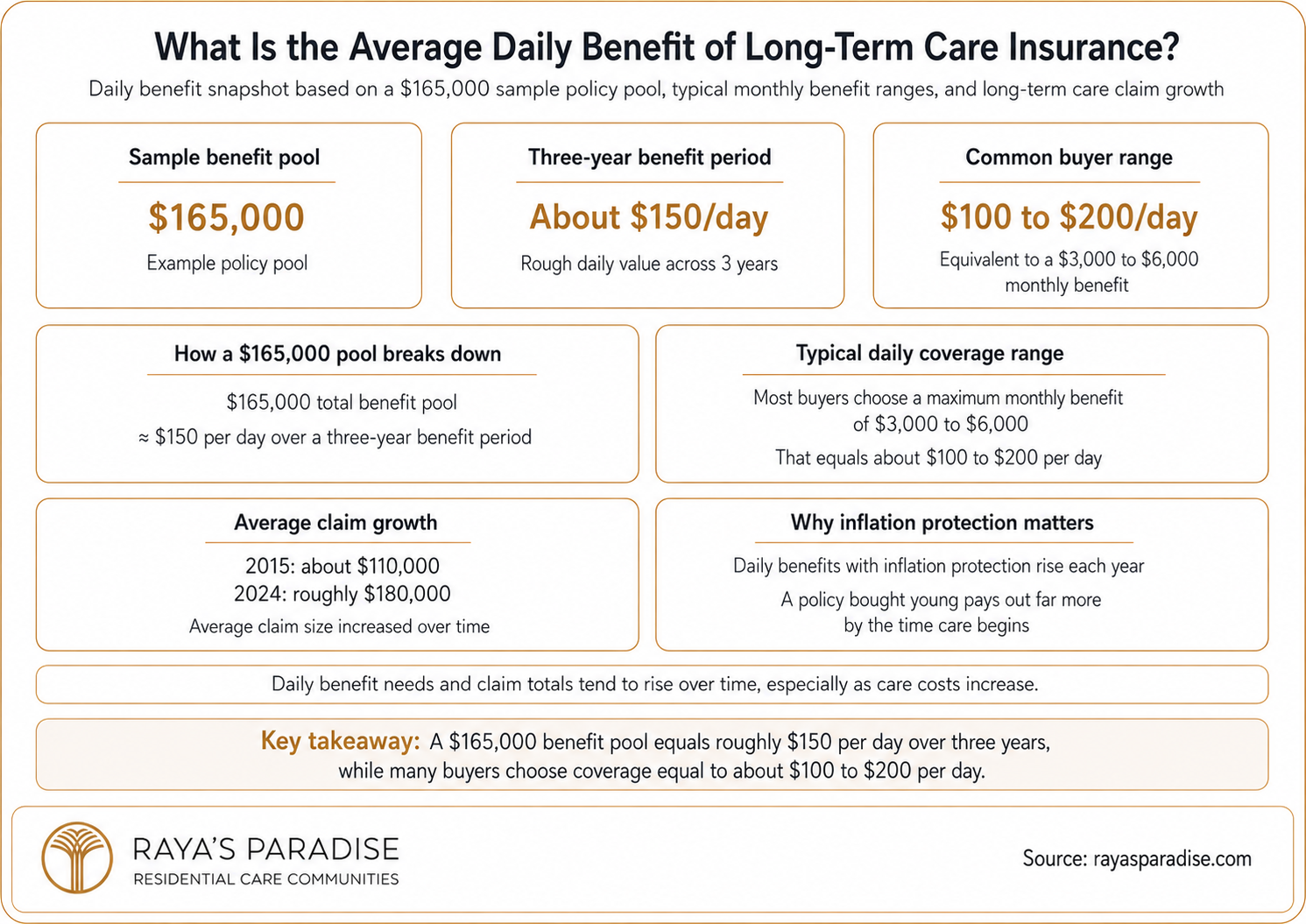
Consider these typical daily expenses of care:1 Housewife services: $163 each day Home health assistant: $169 daily Assisted living center: $148 daily Semi-private room in a retirement home: $260 each day Personal space in a retirement home: $297 per day A lot of senior citizens can't pay for to pay for long-term care on their own, numerous turn to long-term care insurance.
Securing Your Savings With Accident Policies
It can cover your expenditures in a variety of settings, from your own home to center locations, such as adult day care, an assisted living center or retirement home. Long-term care policies typically reimburse you a monetary day-to-day quantity (approximately a preselected limit) for assisted care services, such as consuming, bathing or dressing.
Here are some primary distinctions in between these protection types: is created to cover acute care, or the care you require when you're ill and will eventually recuperate from your illness. It covers physician gos to, health center stays and corrective care. Under this benefit, knowledgeable nursing care is just covered in full for 20 days and then partly for 21 to 100 days, with no protection after 100 days.
2 When it pertains to Medicare protection for home healthcare, the key is whether the care is skilled or not. Medicare does not cover home health aide services (like bathing, dressing and using the restroom) unless you're likewise getting experienced care such as nursing care or other treatment. Home health aide services are never ever covered when that is the only care you need.
Income Strategies With Life Insurance Vehicles
Long-lasting care insurance is specifically designed to assist pay the expense of long-term care services by offering coverage directly for center and home health care. We suggest consulting with a relied on advisor or an insurance coverage agent that specializes in long-term care before making any insurance coverage purchase. Bankers Life can assist you take the next action in preparing your long-lasting care strategy.
Assisted Living Home Expenses in 2023, ,, Proficient nursing facility (SNF) care, ,, Home health services, , 2023. Bankers Life and their licensed agents/producers are not gotten in touch with or backed by the U.S. government or the federal Medicare program. ICC23-210431.
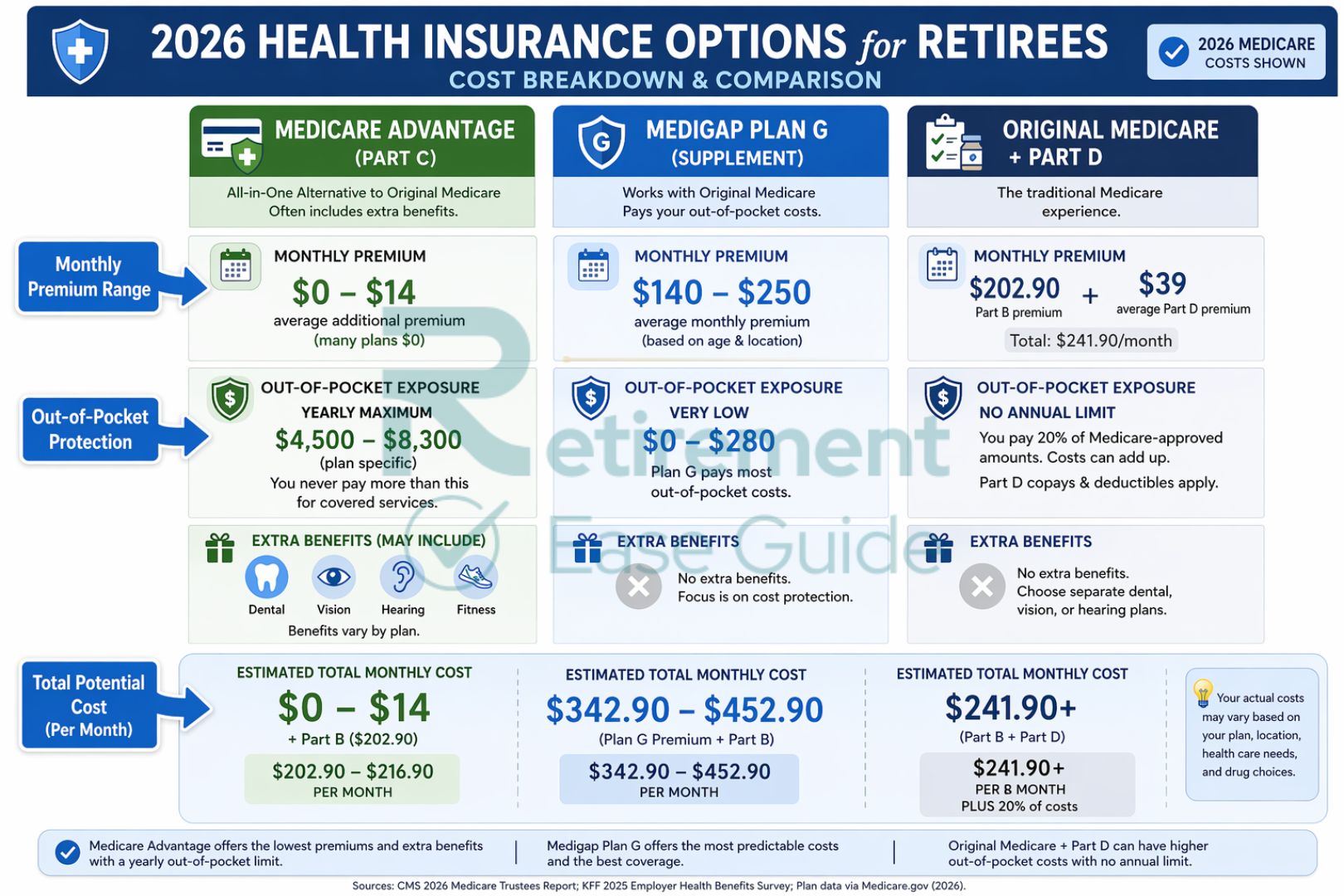
You generally can't get covered long-lasting care with Medicare. Does Medicare pay for any nursing home care? Outside of the medical care you require, it does not. Various parts of Medicare might help with services like skilled nursing care. Medicare Part A deals health center insurance coverage. This generally has nothing to do with assisted living home care.
Medicare Part B offers medical insurance. This normally implies preventive care, which you could receive in an assisted living home setting. However Part B doesn't cover the stay itself unless it's a clinically essential short-term stay. A long-lasting stay with custodial care would not be covered. Medicare Benefit (Part C) uses all the coverage you get from Components A and B.
Retirement Planning San BernardinoLike Part A and Part B, Medicare Advantage does not normally cover custodial care. You can get an Institutional Unique Requirements Plan (I-SNP) that may offer this protection. Medicare Part D deals prescription drug coverage. If you require a covered prescription drug while remaining in a nursing home, Part D will assist spend for it.

Latest Posts
Practical Planning for Long-Term Health in 2026

Navigating Variable Annuities for Seniors
Securing Retirement Assets With Serious Illness Plans