All Categories
Featured
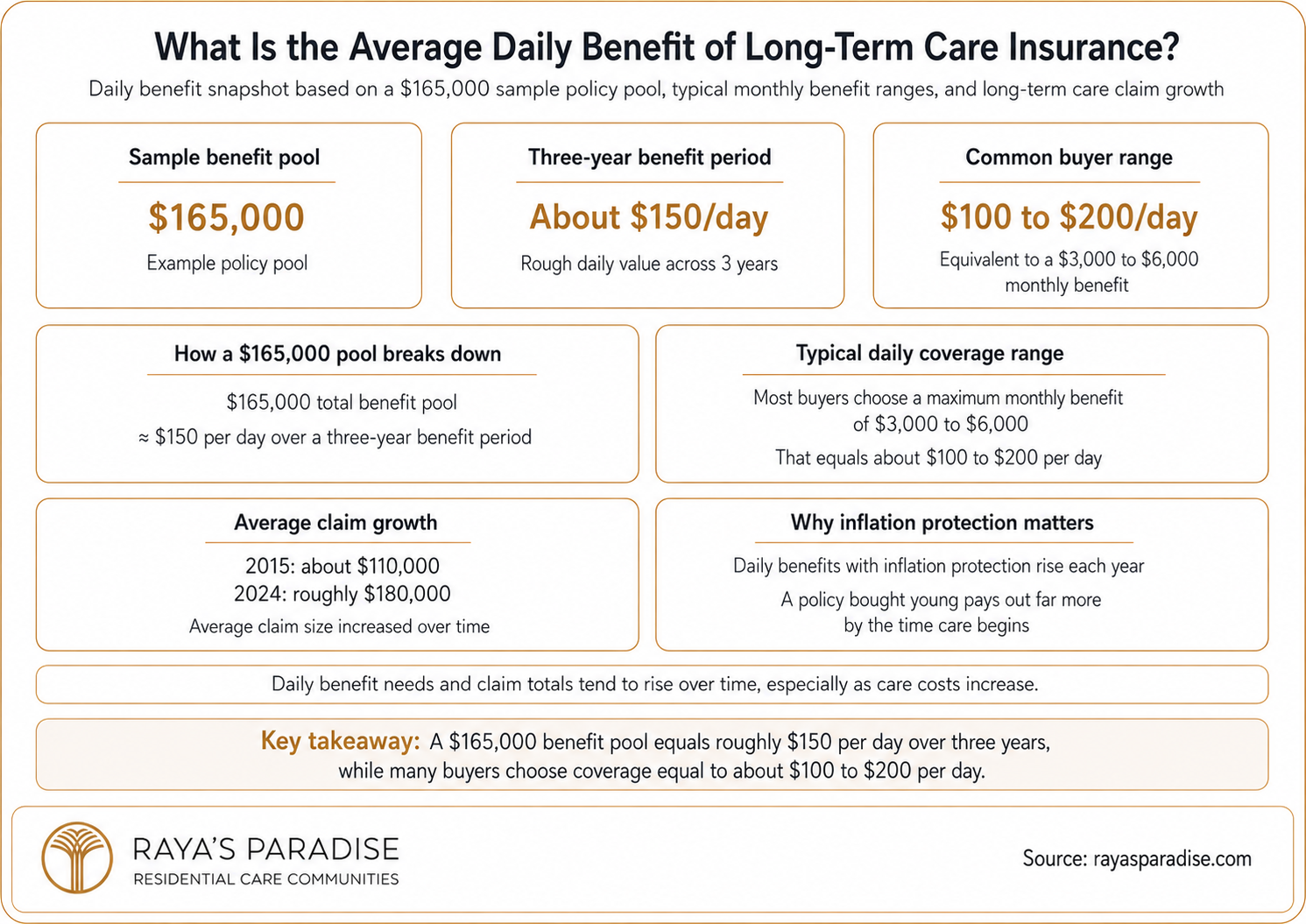
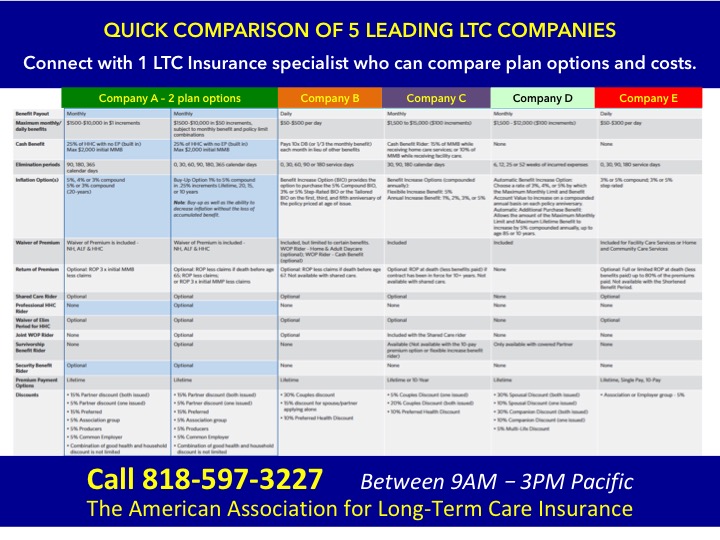
Critical Illness Benefits for Seniors
After all, as the stating goes: "Buyer beware!" This post is prepared by Pekin Hardy Strauss, Inc. ("Pekin Hardy," dba Pekin Hardy Strauss Wealth Management) for informative functions only and is not meant as a deal or solicitation for organization. The information and information in this post does not make up legal, tax, accounting, investment, or other expert recommendations.
Pekin Hardy can not ensure that the techniques gone over herein will outperform any other investment strategy in the future.
A set annuity is a tax-efficient retirement cost savings alternative that can assist construct predictable assets while you're working. Then, after you choose to retire, it can develop an ensured stream of earnings that might last for the rest of your life. Read to discover more about: A set annuity is an agreement with a life insurance business that is comparable in lots of methods to a bank certificate of deposit.
Usually, the rate of return is ensured for several years at a time (for example, 3 or five years). After the initial guaranteed duration, the insurer will reset the rate of interest at routine periods typically every year but the brand-new rate can not be lower than the ensured minimum rate of interest in the agreement.
Retirement Planning Orange CAWhen you decide to take income in retirement, the insurance business uses those funds to make regular payments to you for the period of time defined in the annuity agreement (e.g., 10 or 20 years), or indefinitely, for the rest of your lifetime. A set annuity (likewise called a set postponed annuity) starts as a savings vehicle, and you can make contributions either as a lump-sum payment or as a series of contributions.
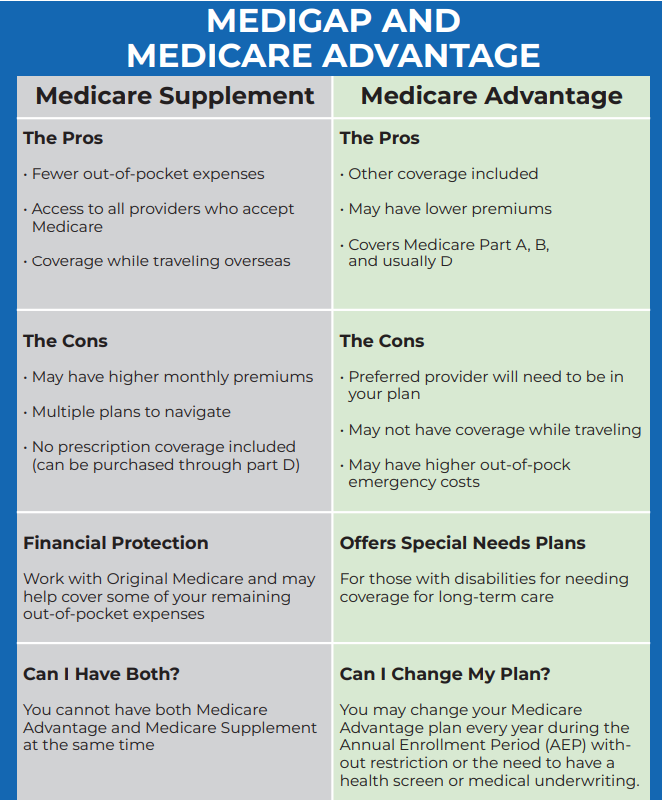
Smart Financial Planning for Longevity
This time period before you begin taking earnings is referred to as the accumulation phase. The distribution (or payment) phase begins when you decide to start making withdrawals, typically at retirement (and there can be tax repercussions to withdrawing funds from an annuity before age 59). If you purchased the annuity with pre-tax dollars, withdrawals will typically be taxed as regular income but if you are retired or working less at that point, you'll likely be in a lower tax bracket.
You do not necessarily need to transform a fixed annuity into regular earnings payments in retirement. You can pick not to annuitize and receive the entire worth of the annuity in one lump-sum payment. However, fixed annuities are typically bought to supply surefire income payments in retirement, which can be structured in different ways.
If you pass away during that period, payments continue to your recipient. Single life: This alternative can guarantee lifetime income by providing regular guaranteed earnings payments for as long as you live. Nevertheless, once you die, the payments stop, no matter the staying balance in your annuity account.
After one individual passes away, the enduring partner continues to receive payments until they pass away. There are many factors why people select these annuities, including: Dependability: Along with the guaranteed fixed interest rate, your principal (the money you paid to purchase the annuity) will stay undamaged unless you withdraw or choose to end the contract early.
Why Long-Term Care Planning Matter
Intensified development: All interest that stays in the annuity also makes interest. Surefire earnings: After the very first year, you can transform the amount in the annuity into a guaranteed stream of fixed income for a specified duration of time or even for the rest of your life if you choose.
Companies might include charges for specific early withdrawals, and there can be tax effects before age 59. Once your annuity payments have begun, there is no versatility to make changes. While fixed annuities can use stability and foreseeable income, there are prospective drawbacks to think about. Restricted development potential: Set annuities frequently have lower return rates than other choices like stocks or shared funds, restricting development capacity for your retirement savings.
Inflation risk: The set income from an annuity may not stay up to date with inflation, possibly deteriorating buying power in time. Liquidity concerns: Early withdrawal from an annuity can come with significant charges and surrender charges, reducing access to funds for unexpected requirements. There are several annuity types, including fixed, repaired index, registered index-linked (RILA), and variable.

Latest Posts
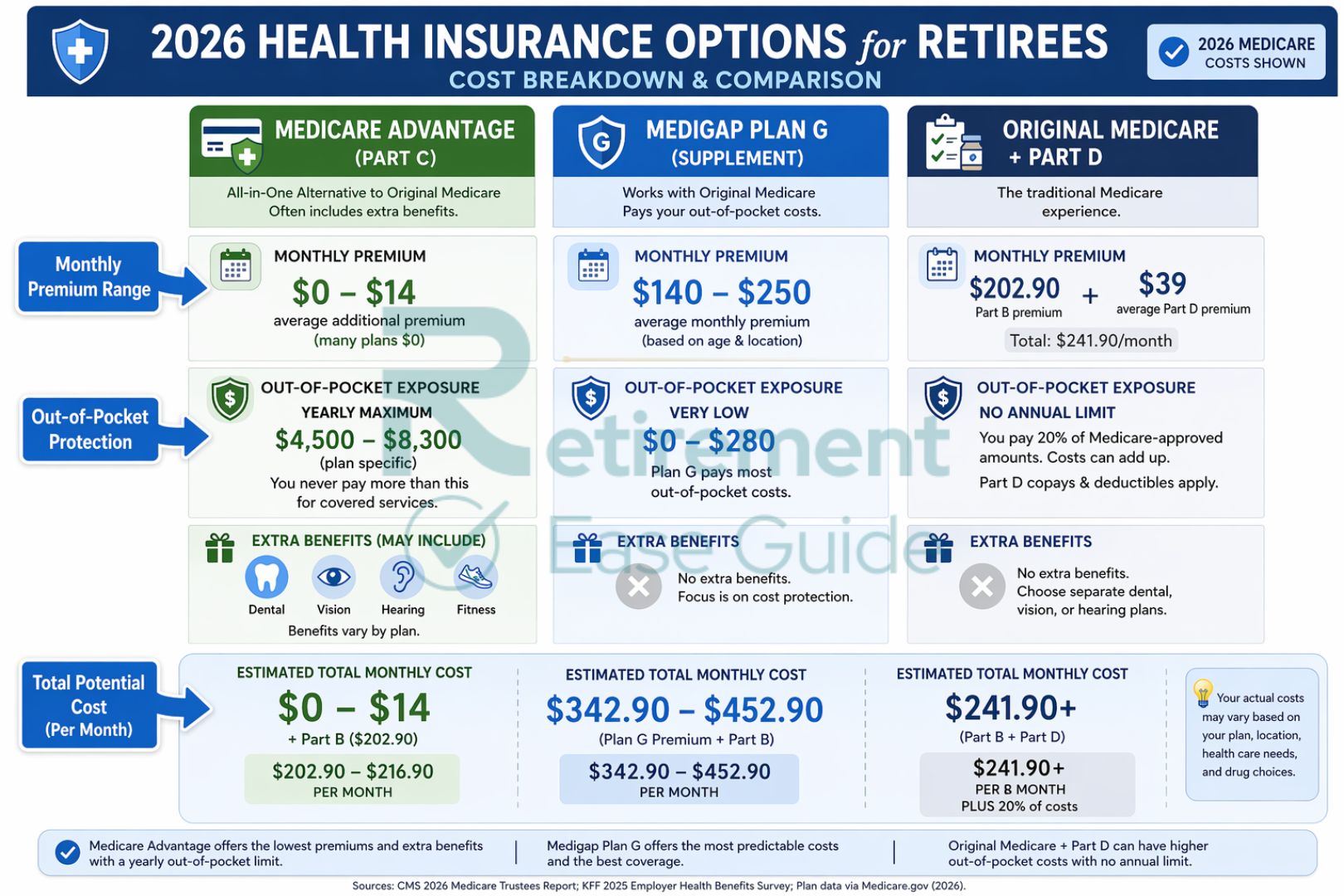
Practical Planning for Long-Term Health in 2026

Navigating Variable Annuities for Seniors

Securing Retirement Assets With Serious Illness Plans